


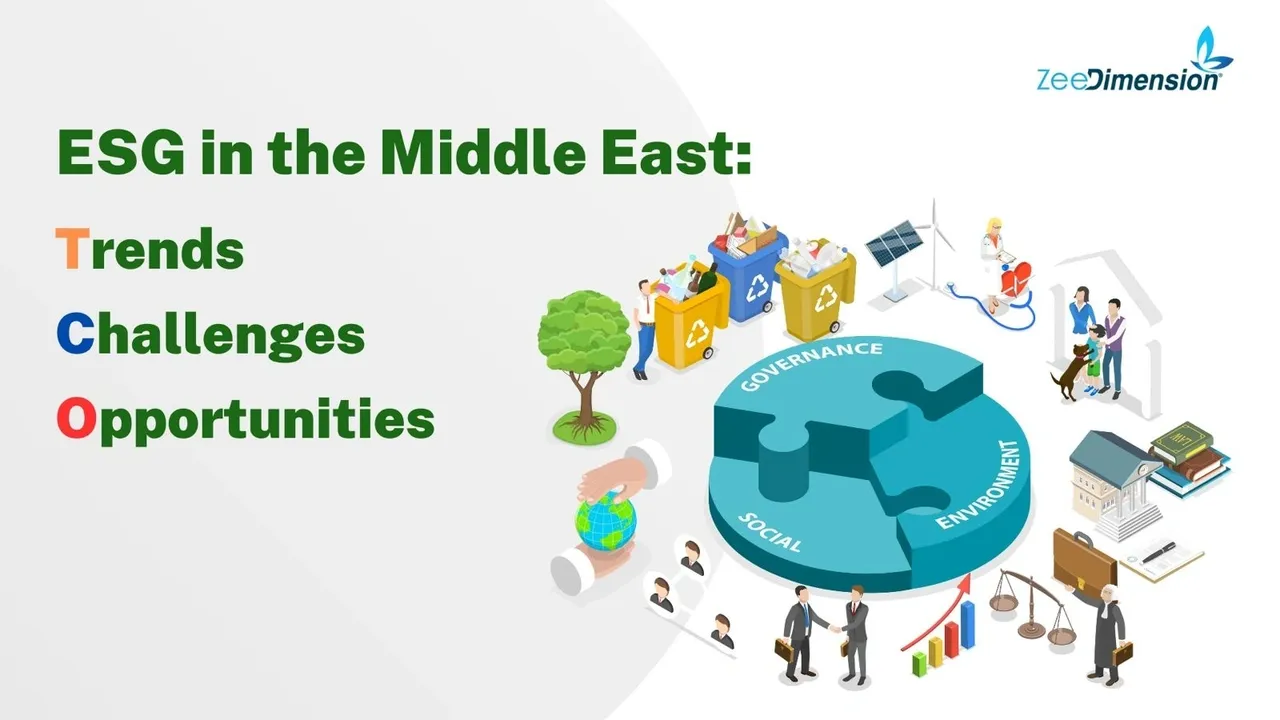
Governments, investors, and businesses are increasingly prioritizing ESG, yet challenges persist. What’s fueling sustainability in the region? Let’s dive in!
The ESG Transformation in the Middle East
ESG is no longer optional—it’s essential! Governments embed it in national visions, investors prioritize sustainability, and markets demand transparency. Is your business ready?
Key ESG Trends in the Middle East
The Middle East’s ESG landscape is transforming, driven by government initiatives like Saudi Vision 2030 and UAE Net Zero 2050, a surge in green finance, major renewable energy investments, and stricter market compliance measures.
Government-Led ESG Policies
Middle Eastern governments are driving sustainability: Saudi Arabia focuses on renewables, the UAE targets Net Zero by 2050, Qatar integrates ESG in finance, and Egypt enforces ESG reporting. These regulations are shaping a sustainable future.
The Rise of Sustainable Finance
Sustainable finance is growing fast, with ESG-driven products like Green Bonds and Sukuk leading the charge. ESG-compliant stock indices and ratings for listed companies are gaining traction, attracting global investors.
Energy Transition & Renewable Investments
The Middle East is actively reducing its reliance on fossil fuels through major renewable energy investments. The $5B NEOM Green Hydrogen Project in Saudi Arabia, Masdar’s expansion of solar and wind energy in the UAE, and QatarEnergy’s growth of large-scale solar farms are key steps towards a greener future. Green energy is leading the way!
ESG Compliance in Capital Markets
Stock exchanges are enforcing ESG reporting!
Saudi Tadawul – ESG disclosure guidelines.
Dubai Financial Market (DFM) – Sustainability committee.
Abu Dhabi Securities Exchange (ADX) – ESG index for investors.
Capital markets are making sustainability a priority!
Challenges to ESG Adoption in the Middle East
ESG adoption in the Middle East faces hurdles involving heavy fossil fuel reliance, inconsistent regulations, greenwashing risks, including limited SME awareness, but these challenges also offer opportunities for innovative policy reforms and genuine sustainability efforts.
Opportunities for ESG Growth in the Middle East
The Middle East offers key ESG opportunities, from green investments and smart cities like NEOM to regional collaboration on ESG standards. With AI-driven analytics improving reporting, sustainability is becoming a competitive advantage.
The Future of ESG in the Middle East
The future of ESG in the Middle East includes stronger regulations, expanded carbon markets, and AI-driven transparency. ESG-linked investments and sustainability are shaping the region’s business landscape.
Conclusion
ESG adoption in the Middle East is growing rapidly, driven by governments, investors, and stock exchanges. Despite challenges, the growth potential is immense—now is the time to embrace ESG for lasting success. How is your organization preparing for this transformation? Let’s discuss in the comments!


